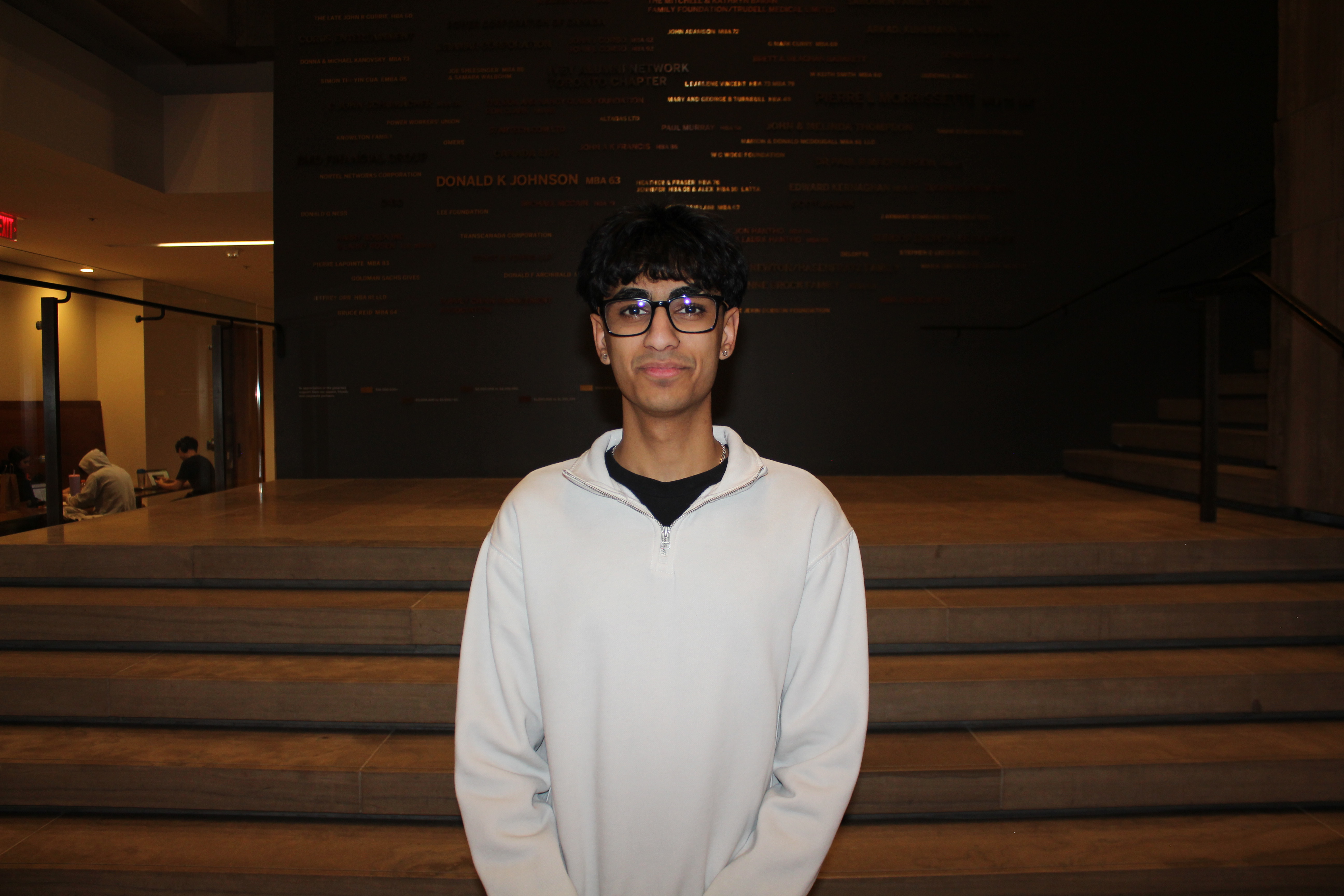
Hello, I'm Nithin Balamurugan
Computer Science Student at University of Western Ontario | Graduating April 2027
AI Research Platform Developer | Co-author of "Tiny Recursive Models on ARC-AGI-1" Research Paper
Computer Science Student at University of Western Ontario | Graduating April 2027
AI Research Platform Developer | Co-author of "Tiny Recursive Models on ARC-AGI-1" Research Paper
I'm a Computer Science student at the University of Western Ontario, graduating in April 2027. I'm always looking for the next opportunity to build my technical background and get closer to my goal of working in consulting. Currently, I'm finishing a project at Varonova Tech Inc. and will be starting at CIBC for the summer.
Previously, I worked as an AI Research Platform Intern at CognitomeAI, where I built core features for an AI-powered research platform aggregating academic papers and generating interactive research maps. I co-authored the research paper "Tiny Recursive Models on ARC-AGI-1: Inductive Biases, Identity Conditioning, and Test-Time Compute," published on arXiv. I also worked as a Data Engineer Intern at MomentumMind, where I optimized SQL queries, built fault-tolerant ETL pipelines, and streamlined data transformation processes.
I'm passionate about AI research, full-stack development, and building scalable systems that solve real-world problems. Each experience helps me develop the technical skills and problem-solving abilities needed for a career in tech consulting.
Working on a demo project for a media company to solve inconsistency issues in AI video regeneration. My role focuses on 3D rendering and point cloud technology to ensure consistent character and scene representation across video generations, eliminating the randomness that plagues current AI video tools.
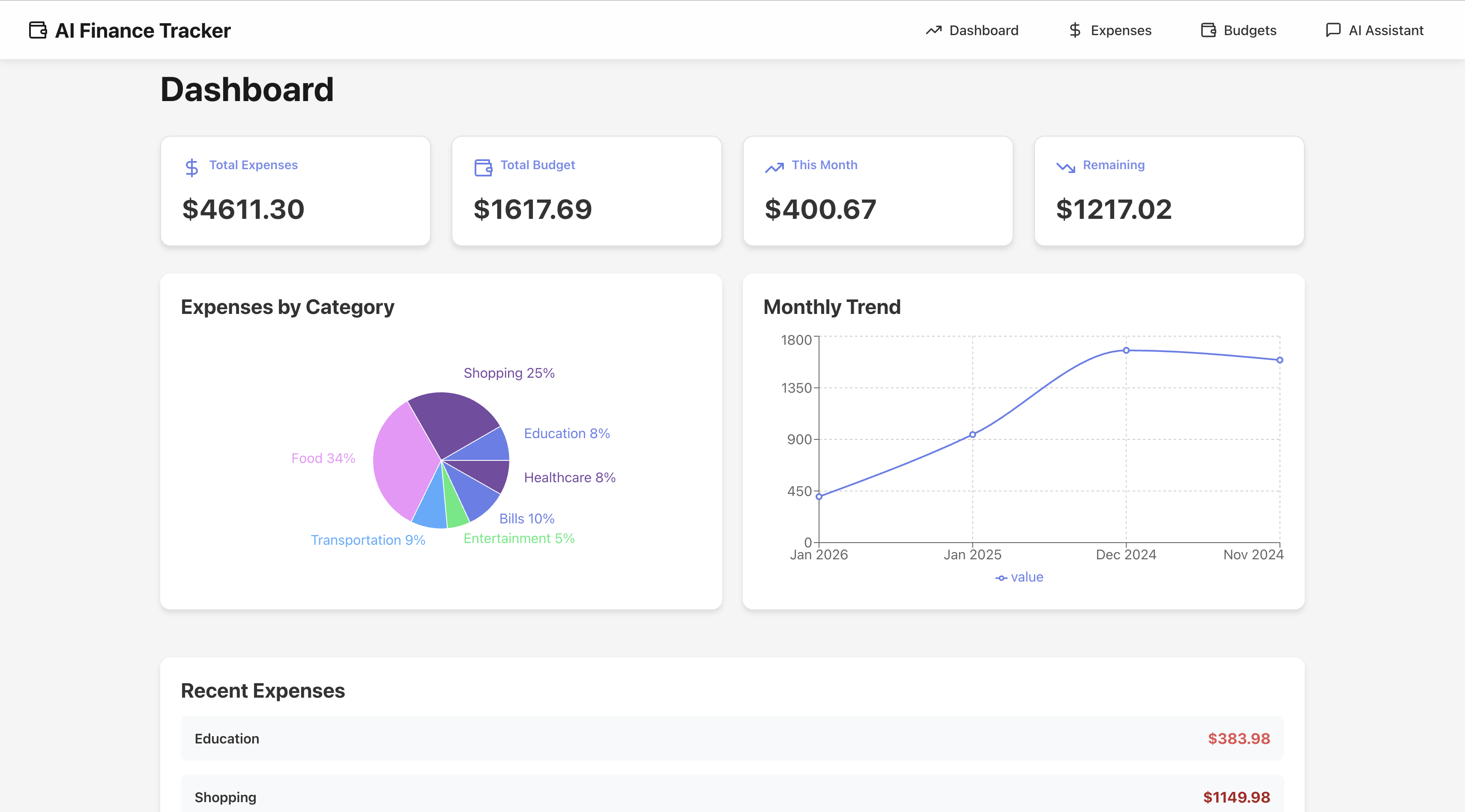
Built a full-stack AI finance application using React, Node.js, and PostgreSQL to track expenses, budgets, and spending, with secure user authentication and account management via Supabase, including protected routes, session handling, and user-specific data isolation. Developed a Python-based AI backend (FastAPI) that leverages Pandas for data analysis and OpenAI GPT-3.5-turbo for natural language processing, implementing a hybrid AI system for personalized financial insights.
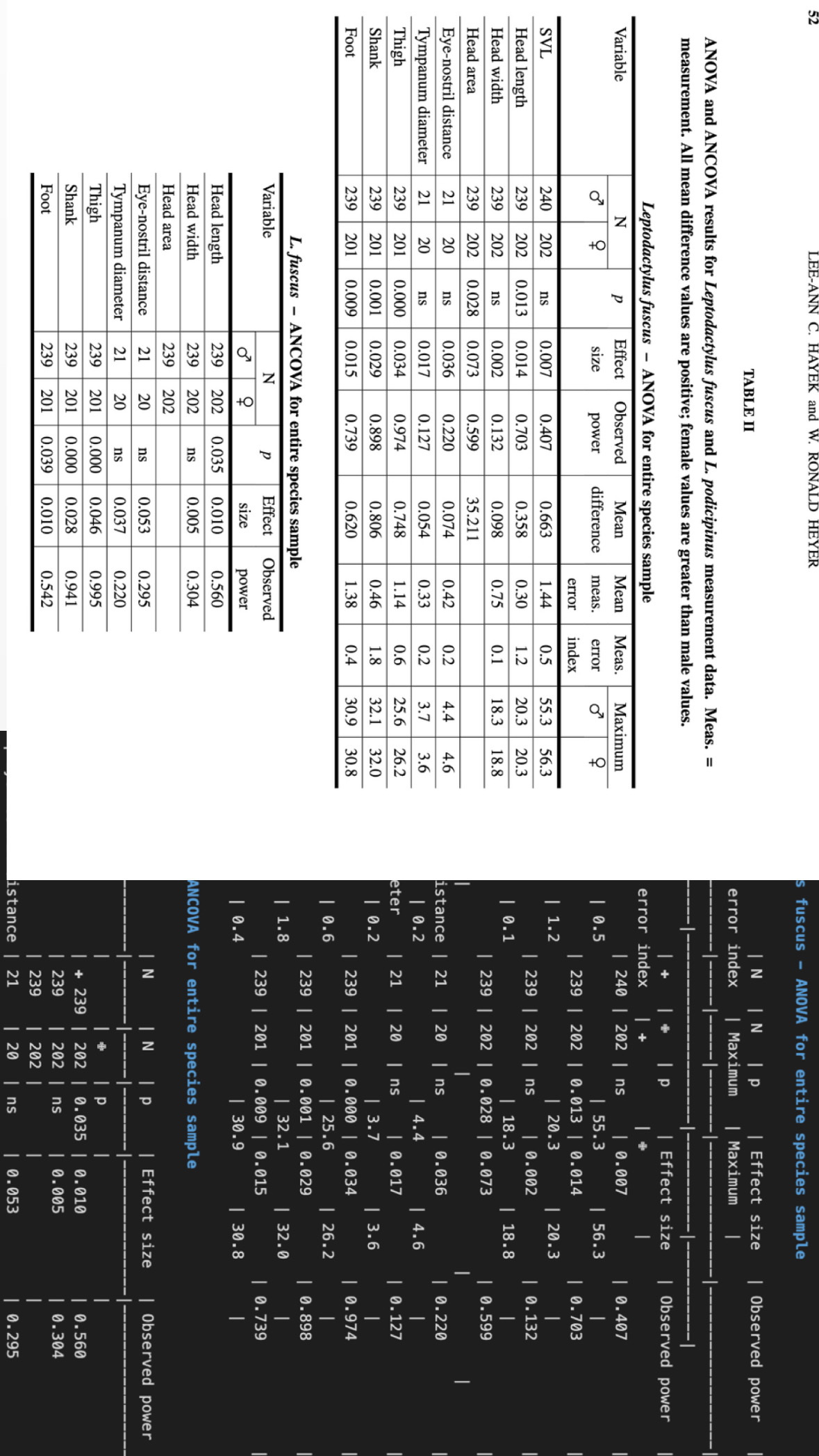
Developed a high-accuracy PDF-to-CSV conversion algorithm using Python that extracts every table into separate CSV files, generates a full-document text file, and outputs structural metadata files detailing table outlines, dimensions, and formatting, robust across any document layout. Built a modular extraction pipeline using Docling, PyMuPDF, Pandas, and a 3-layer OCR stack.
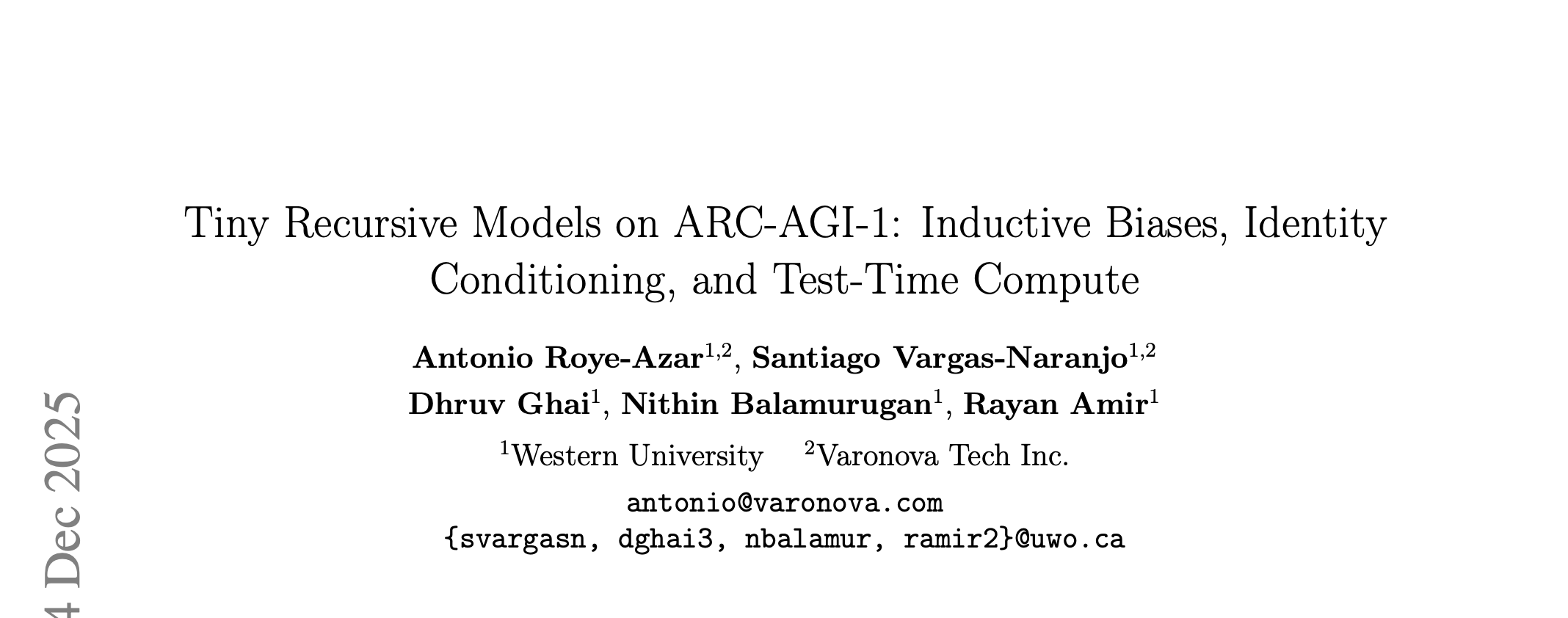
Co-authored "Tiny Recursive Models on ARC-AGI-1: Inductive Biases, Identity Conditioning, and Test-Time Compute", analyzing the behavior of Tiny Recursive Models (TRMs) on the ARC-AGI-1 benchmark. Performed empirical ablations and efficiency analyses to isolate the impact of test-time compute, puzzle-identity conditioning, and recursion depth on model performance. Benchmarked TRMs against a QLoRA-fine-tuned LLaMA 3 8B baseline. (PAPER LINK AT THE END OF THE PAGE)
Developed a personal portfolio website to showcase projects in depth and share background and skills. Implemented using Next.js, React, TypeScript, server-side rendering (SSR), React Hooks, Tailwind CSS, PostCSS, responsive design, dark mode, animations, form handling, ESLint, Node.js, npm, and Next.js Google Fonts.
Built a full-stack mobile reading log application using React Native and Expo, enabling chapter-level note-taking with offline-first persistence via AsyncStorage and cross-platform support for iOS and Android. Implemented social features using Firebase Authentication and Cloud Firestore, including user accounts, friend connections, and real-time commenting on shared chapter notes. Integrated an AI chatbot to summarize and clarify user notes.
Full-stack AI LaTeX resume builder that converts resume PDFs to editable structured content and exports clean LaTeX for Overleaf. Users can upload a PDF, edit parsed entries, enhance bullets with AI, and generate ATS-friendly output quickly.
Functional replica of a top-5 banking system on IBM z/OS mainframe. Implemented core components with COBOL, JCL, SQL, and REXX. Integrated Node.js frontend with FastAPI backend for real-time credit risk evaluation using XGBoost and explainable AI (SHAP).
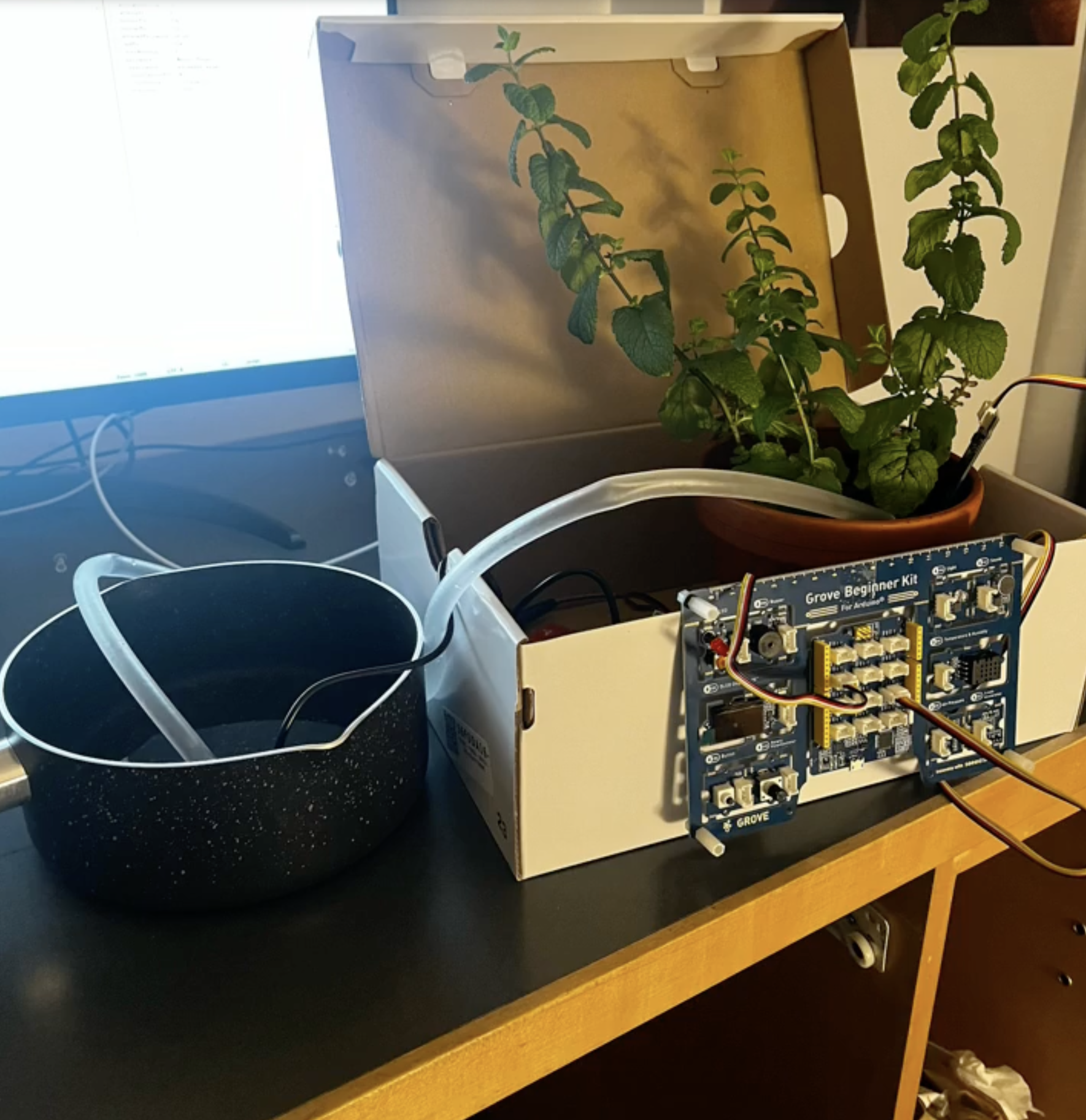
Built an automated self-watering plant system using Arduino to monitor soil moisture and trigger watering below a set threshold, enabling plant care during long absences. Integrated sensors and output modules (LCD, moisture sensor, LED, buzzer, water pump) using Java and Matlab to display moisture data and signal watering events.